Celiac disease is a form of gluten intolerance – it can be detected, but is often difficult to identify. Here you can find out how you can tell if you have celiac disease and which natural measures can help.
Celiac disease is a gluten intolerance
Celiac disease – formerly also known as local sprue – is a chronic and usually lifelong autoimmune disease characterized by intolerance to gluten. In those affected, the consumption of foods containing gluten leads to inflammation of the intestinal mucosa, which causes the intestinal villi to shrink.
Intestinal villi are lined-up elevations or protuberances of the intestinal mucosa in the small intestine. They are responsible for absorbing the nutrients from our food. If they regress over time, fewer and fewer nutrients can be absorbed, which eventually leads to nutrient deficiencies.
If you are already familiar with celiac disease but are looking for holistic treatment options, then scroll to the “Naturopathic measures for celiac disease” section.
What is gluten?
Gluten is a protein found in wheat and other grains such as rye, barley, spelt, emmer, Khorasan wheat (known as Kamut) and triticale (a cross between rye and wheat).
Gluten is widely used in food processing because it causes the flour to combine with water to form a sticky, elastic dough that holds together well. In Australia wheat has been changed to contain 6x the amount of gluten it had naturally. That means for your gut that one slice of bread equals 6 slices of bread. Due to these properties, gluten is also referred to as glue protein. Gluten is also used as a carrier for flavours and is therefore not only found in baked goods but can also be found in products that at first glance would not appear to contain gluten ( 1 ).
What is gluten made of?
Gluten is not a single substance, but a collective term for a mixture of linked amino acids. It consists of the storage proteins prolamin and glutelin, which make up about 70 to 80 percent of the protein in grain and are located inside the grain (in the so-called endosperm). The remaining 20 to 30 percent of grain protein consists of the proteins albumin and globulin, which are found in the outer layers of the grain.
Every grain has its specific gluten
Depending on the type of grain, the two gluten proteins prolamin and glutelin have different names – but they are all summarized under the term gluten.
Why is gluten not tolerated by celiac disease?
The problem with digesting gluten (or prolamin) is that it is not properly broken down into individual amino acids in celiac disease. Like any protein, prolamin is made up of a long chain of linked amino acids. The prolamin chains of wheat and many other cereals are particularly high in proline (an amino acid). And it is precisely this proline that is the problem with celiac disease.
This is because the enzymes in the human digestive system are unable to break the bonds on either side of the proline that links proline to other amino acids in the protein chain. So there are always shorter amino acid chains left (they are called peptides). In healthy individuals, these undigested peptides stay within the gut and are simply excreted the next time you go to the toilet.
Unfortunately, this does not apply to people with celiac disease, because their immune system initiates an inflammatory reaction to defend themselves: the peptides pass through the intestinal mucosa undigested and accumulate behind it, whereupon the body releases the enzyme transglutaminase. This enzyme is also made in healthy people and actually helps repair damage to the gut lining.
In people with celiac disease, however, the transglutaminase reacts with the undigested gluten fragments, which falsely triggers an immune response and leads to inflammation of the intestinal mucosa. As a result, the intestinal villi, which are responsible for absorbing nutrients, break down over time.
Why are oats often tolerated despite gluten?
Although oats contain gluten, the oat-specific prolamin has a different composition than the wheat prolamin. While the latter is high in proline (proline is an amino acid), oat prolamin is low in proline. The proline content of oats is even as low as that of millet and corn, which can ultimately be eaten very well on a gluten-free diet.
However, oats can be contaminated with other gluten-containing grains through neighbouring fields, combine harvesters and during transport. That’s why you should use so-called gluten-free oats. Although this still contains the compatible oat gluten, it does not come into contact with other gluten-containing grains during harvesting and processing.
Nevertheless, to be on the safe side, some celiac disease societies recommend eating only 50 to 70 g of oats per day (children: 20 to 25 g), since the long-term effects of avenin have so far been little researched. Excessive oat consumption could therefore lead to renewed symptoms.
Celiac disease – an autoimmune disease
Celiac disease is a special case among autoimmune diseases because it is the only autoimmune disease that can be switched on and off – namely by not eating gluten. The gluten ensures that antibodies are formed that attack your own body. If no gluten gets into the body, the antibodies break down again and as long as no new gluten is supplied, no new antibodies are formed.
How common is celiac disease?
Researchers assume that in western countries around 1 percent of the population is affected by celiac disease, although the number of unreported cases is likely to be high because the symptoms can be very unspecific and sometimes there are no symptoms at all.
So it is possible that you have celiac disease but don’t even notice it. Even if there are no symptoms, the mucous membrane of the small intestine is damaged. For the diagnosis, it does not matter whether the disease is asymptomatic or not. You can find out how celiac disease is diagnosed below in the paragraph “The diagnosis of celiac disease”.
The European Society for the Study of Celiac Disease describes celiac disease as a statistical iceberg, as the majority of diseases remain undiagnosed.
Which groups of people are affected?
In principle, celiac disease can occur at any age. However, 70 percent of those affected are only diagnosed when they are over 20 years old, because the disease often goes unnoticed for years and sometimes only develops in the course of life. It affects women more often than men ( 4 ) ( 5 ) ( 6 ).
This is how you can tell if you or your child have celiac disease
The symptoms of celiac disease can be very different for those affected. Many people have only minimal symptoms or show no or only a few symptoms, which are then not associated with celiac disease or any disease at all.
The symptoms of celiac disease
Below is a list of possible symptoms of celiac disease:
Skin problems (e.g. dermatitis herpetiformis Duhring, also known as “celiac disease of the skin”, symptoms: blisters on the skin, itching, inflammation)
Consequences of these deficiency symptoms (e.g. anemia with iron deficiency, skin rashes with zinc deficiency, osteoporosis due to vitamin D deficiency, reduced formation of white and red blood cells due to folic acid deficiency)
Since many of these symptoms also occur without celiac disease, it is difficult to recognize the disease at all, which is why therapy is often delayed by years. While some symptoms can appear shortly after eating gluten (e.g. gastrointestinal complaints, headaches, fatigue), others only develop gradually over months (e.g. weight loss and deficiency symptoms) – the disease does not progress in phases like it does many other autoimmune diseases.
How to tell if your child has celiac disease
Children and adolescents can basically experience the same symptoms as adults – but sometimes they appear a little differently. The most common identifying features in children are:
Another symptom of celiac disease is bulky, foul-smelling, and often greasy, shiny stools that are difficult to flush down the toilet.
Why do you lose weight with celiac disease?
Weight loss often accompanies celiac disease due to digestive problems and insufficient absorption of nutrients (as a result of damage to the intestinal lining). After switching to a gluten-free diet, the weight should return to normal over time.
The course of celiac disease
Different forms of celiac disease can be distinguished based on the course: Typical celiac disease is often discovered in childhood due to the presence of gastrointestinal complaints such as diarrhea, bloated abdomen and growth disorders.
Atypical celiac disease, on the other hand, is usually not recognized until later, since it is not characterized by gastrointestinal symptoms. It is usually only discovered when skin problems, joint and muscle problems or the consequences of a deficiency occur – e.g. iron deficiency anemia. Atypical celiac disease is more common than typical.
Once the diet has been changed, those affected can cope quite well with the disease and live symptom-free. However, accidental gluten consumption can temporarily cause symptoms again. (More information on this can be found in the paragraph “How bad is a gluten accident?”).
In addition, the risk of secondary diseases increases if celiac disease remains undetected for a long time (section “What happens if celiac disease is not treated?”).
Risk factors for celiac disease
Genetic factors play an important role in the risk of developing celiac disease. If you have a family member who has celiac disease, your risk of developing it is higher – by 10 to 15 percent for first-degree relatives.
A genetic test can almost completely rule out the possibility that you have celiac disease or will ever develop one because 97% of those affected have inherited certain genes (HLA-DQ2 or HLA-DQ8). Conversely, the presence of these genes does not mean that you have or will have celiac disease, as 30% of people without celiac disease also have these genes.
Basically, a genetic test is a fairly reliable way of ruling out celiac disease if you do NOT have the relevant genes. If you have it, there is no way of knowing with certainty (genetic testing alone) that you will eventually have celiac disease, nor can it be said that your symptoms (if you have any) are always celiac. They could also have other causes.
People with trisomy 21 (Down syndrome), type 1 diabetes mellitus and other autoimmune diseases are also more frequently diagnosed with celiac disease than people without previous illnesses.
Researchers also suspect that people with an unusually permeable gut (leaky gut syndrome) have a higher risk of developing celiac disease. However, the connection between these diseases and celiac disease is not entirely clear, because leaky gut could also be a consequence of celiac disease.
Reduce risk of celiac disease in babies?
Since the disease is partly hereditary, newborns can also get celiac disease. For years researchers have been trying to find out whether the risk of celiac disease in newborns can be reduced – for example, if foods containing gluten are not introduced immediately after weaning or vice versa if gluten is introduced particularly early to “harden” the immune system.
According to the current state of research (May 2022), it does not appear to be possible to reduce the risk of celiac disease in babies through diet: If you do not introduce gluten-containing food into the baby’s diet immediately after weaning, but wait e.g. 6 months, this only delays the onset of celiac disease.
However, the European Society for Pediatric Gastroenterology, Hepatology and Nutrition, for example, advises feeding at least a few foods containing gluten in the first few months after weaning – due to a possible influence of the amount of gluten. However, what constitutes a large quantity has not yet been established or investigated ( 21 ).
Possible triggers of celiac disease
Possible triggers of celiac disease with hereditary predisposition can e.g. Gastrointestinal diseases or certain medications (e.g. antibiotics or proton pump inhibitors).
The number of people affected has also increased significantly in recent years, which researchers attribute not only to better diagnostic methods and greater awareness of the disease. It stands to reason that lifestyle, dietary habits and other environmental factors could also have an influence.
The possible role of glyphosate in celiac disease
According to researchers, the herbicide glyphosate may play a role in the development of celiac disease and other autoimmune diseases. Almost all of the symptoms of celiac disease could be explained by the effects of glyphosate: the imbalance in the gut bacteria, the vitamin and mineral deficiencies, the reproductive problems, etc.
And since more and more glyphosate has been used in the fields, the number of people with celiac disease has also increased. At the same time, a decrease in new cases was noted when less glyphosate was used in 2009 and 2010 ( 7 ).
Dr Stephanie Seneff from the Massachusetts Institute of Technology (MIT) and Dr. Anthony Samsel see a causal connection in these parallels. They consider celiac disease to be one of the diseases caused by glyphosate.
What happens if celiac disease is not treated?
If celiac disease remains undetected, there is a risk of progressive inflammation of the mucous membrane in the small intestine, followed by the consequences of this inflammation, namely intestinal problems, weight loss and deficiency symptoms because nutrients are not being absorbed adequately.
The inflamed intestinal mucosa can also lead to other intolerances, such as lactose intolerance, which sometimes only occurs temporarily until the intestine has recovered.
In addition, the inflammation of the intestine can cause the so-called leaky gut syndrome (= permeable intestine), which means that bacteria or incompletely digested particles from the intestine can get into the bloodstream, which now leads to further diseases in the area of allergies and can lead to autoimmune diseases. Those affected also have a higher risk of colon cancer, thyroid and liver diseases.
Differences: celiac disease, gluten sensitivity and wheat allergy
A distinction must be made between celiac disease and non-celiac gluten sensitivity (NCGS) – also known as gluten intolerance or simply gluten sensitivity – and wheat allergy. The most important distinguishing features can be found in the following table:
Celiac
Gluten sensitivity
Wheat allergy
Time after eating gluten when symptoms appear
Hours to month
Hours
Minutes to hours
Trigger
Gluten
Gluten and other grain parts
Wheat gluten and other wheat proteins
Damage to the digestive tract
Yes
None to little
None
Therapy
Gluten free diet as even small parts can do damage
Gluten free diet, sometimes a little gluten can be ok
Wheat free diet
Occurrence in industrial countries
1 %
6 %
4 %
Non-celiac gluten sensitivity
Non-celiac gluten sensitivity is difficult to pin down and define. It is neither an allergy nor an autoimmune disease. Gluten sensitivity also does not appear to be heritable.
The symptoms of gluten sensitivity are almost identical to the symptoms of celiac disease, which is why the first step is to test whether you have celiac disease or possibly a wheat allergy. If this is not the case and a gluten-free diet then leads to the symptoms disappearing, gluten sensitivity is usually assumed.
Three different components of wheat and other cereals are currently being discussed as the cause, namely gluten, amylase trypsin inhibitors (certain wheat proteins ) and FODMAPs (a group of carbohydrates and sugar alcohols). Gluten sensitivity used to be dismissed as imagination, but this has now changed.
Wheat allergy
In the case of a wheat allergy, when wheat proteins arrive, the immune system forms antibodies that trigger allergy-typical symptoms (swelling of the mucous membranes, skin reactions, but also a few hours later digestive problems).
The diagnosis of celiac disease
In contrast to non-celiac gluten sensitivity, celiac disease can be diagnosed relatively easily.
No conversion to a gluten-free diet prior to diagnosis
Patients who suspect they may have celiac disease should consult a doctor before trying a gluten-free diet. If, on the other hand, you eat gluten-free for a while, this makes the diagnosis considerably more difficult because the specific gluten antibodies are broken down and the intestinal mucosa builds up again during the gluten-free period. The disease can then no longer be easily detected and you would first have to eat gluten again for a few days or weeks. Of course, this can be very uncomfortable, since the symptoms can then return.
Which doctor should you see if you suspect celiac disease?
If you would like to have celiac disease clarified, you should first contact your family doctor or a gastroenterologist. Gastroenterologists deal with diseases of the gastrointestinal tract.
How is celiac disease diagnosed?
If celiac disease is suspected, a blood sample is first taken and analyzed for specific antibodies. If antibodies were detected in the blood sample, a small intestine biopsy follows. This is usually done by a gastroenterologist. A camera probe on a thin tube is pushed through the mouth, esophagus and stomach into the small intestine under a mild anaesthetic.
Five to six samples are then taken from different areas of the duodenum to get a better overview of the overall condition of the intestinal mucosa.
Because with celiac disease, the changes in the intestinal mucosa are sometimes not evenly distributed. Rather, the inflammatory changes can occur in patches. With a single sample, there is always a risk of overlooking the disease.
This tissue sample can then be used to identify damage to the intestinal mucosa. The diagnosis of celiac disease is then based on the antibodies in the blood, the small intestine biopsy and the subsequent improvement in the symptoms with a gluten-free diet (see paragraph after next).
How does a celiac self-test work?
First of all: Self-tests for celiac disease cannot replace a diagnosis by a doctor, because only the presence of antibodies is measured – but the complete diagnosis also includes a small intestine biopsy.
Other gastrointestinal diseases or infections of the intestinal tract
Pancreatic insufficiency
Immune defects and other autoimmune diseases
Treatment of celiac disease: gluten-free diet
A strict, lifelong gluten-free diet is the most important measure for celiac disease and, to date, one of the only treatment options.
Is a gluten-free diet unhealthy?
Occasionally one reads that the gluten-free diet is unhealthy or has no health benefits, at least not for people who do NOT have celiac disease.
Of course, a gluten-free diet can be unhealthy – just like any other form of nutrition. Anyone who mainly eats (gluten-free) ready-made products is of course not doing their health any good. However, those who eat wholesomely, naturally gluten-free ingredients, cook freshly and bake them themselves often eat more healthily and with more variety than someone who eats “normally”
So look forward to the change, to more conscious food choices and to getting to know completely new foods! We have many simple and delicious gluten free recipes for you. You can find these in our Library under Even healthier Recipes.
How to identify gluten-free foods
Food is legally considered gluten-free if it contains no more than 20 milligrams per kilogram (20 ppm) of gluten.
If a product contains more gluten, the ingredient must be listed in the list of ingredients. Some manufacturers also write the note “contains gluten” in the declaration.
In order to protect themselves legally, many manufacturers also note on the packaging that the product may contain “traces of gluten”, even though no ingredient in the food contains gluten. Traces can therefore be present if not only gluten-free but also gluten-containing raw materials and foods are processed in the manufacturing plant and contamination cannot be ruled out as a result.
Keep in mind that particularly sensitive celiac sufferers react even to traces of gluten. Therefore, the manufacturer’s declaration on the respective food must always be studied or, if anything is unclear, ask the manufacturer.
Those affected who live in a household with people who eat normally should also not use chopping boards, bread knives, baking trays, toasters and flour mills – all kitchen utensils that cannot be cleaned thoroughly after each use pose a risk of contamination.
Gluten hides behind these terms
However, the list of ingredients does not have to contain gluten literally. The gluten-containing ingredients only have to be highlighted – even with ingredients that in turn consist of several components. So it may be that you read “spices ( wheat protein )”. If, on the other hand, it only says “spices”, then there are no gluten-containing ingredients in these spices. The same applies e.g. for “aroma”. Pay particular attention to the following designations:
Wheat protein, wheat gluten, wheat starch
Brewer’s yeast, brewer’s yeast extract (does not contain gluten per se, but gluten contamination is often found due to the production process)
Gluten-free wheat starch has also been available for a number of years, but not all people with celiac disease tolerate it.
Going to a restaurant with gluten intolerance?
Before you go to a restaurant, you should clarify whether there is a gluten-free menu. Many restaurants give special attention to gluten-free dishes on the menu. However, anyone who is already reacting to traces of gluten must be able to be sure that special utensils such as cutting boards are used to prepare gluten-free dishes. If possible, eat outside of peak times. When there is a lot of activity, it is easy to make mistakes, which increases the risk of contamination.
How long does it take for the symptoms to subside?
The intestinal villi can only build up again by avoiding foods containing gluten. For some people, the symptoms disappear after just a few days – for others only after a few weeks or months. However, it can take months to years for the intestine to fully recover (also depending on how long the disease has remained undetected and how long the affected person has suffered from symptoms). As soon as gluten-containing foods are eaten again, the disease worsens again.
Even small amounts of gluten can lead to new symptoms, although it is not certain how much gluten per day is considered safe for celiac disease. The guide values are a maximum intake of 10 to 100 mg per day. The range is so large because some people already react to traces and others only when there are somewhat larger amounts. For comparison: A white flour roll (40 g) contains an average of 2313 mg gluten – 200 g cooked pasta even contains 8600 mg.
How bad is a gluten accident?
Gluten accidents can happen to even the most cautious and organized of individuals. If you have accidentally eaten gluten (e.g. in a restaurant or through contamination) despite following a gluten-free diet, you will very likely temporarily develop the same symptoms that you already had.
So if your body previously reacted with gastrointestinal complaints and headaches, it will react in the same way after a gluten accident. The symptoms can appear a few hours to days after eating gluten and also disappear within hours to days. While some people feel drained for days and would just like to sleep, for other people everything is fine again after a bit of stomach ache.
However, even a gluten accident can damage the intestine again or set it back in its healing process – even if your symptoms are only temporary. So don’t accept a gluten accident under any circumstances – if the waiter in the restaurant can’t give you any information, for example, then it’s better to go to another restaurant. If it does happen, don’t fret and try to be more careful next time.
The treatment of celiac disease in conventional medicine
Although research into medicines and other treatment methods has been going on for years, a gluten-free diet has so far also been considered the most important measure for celiac disease in conventional medicine.
Enzyme preparations only as a supplement to a gluten-free diet
For a number of years, dietary supplements containing enzymes have been available in health food stores, pharmacies, and online, which are said to help break down gluten in the body so that an immune reaction does not occur in the first place ( 12 ) ( 13 ).
The enzymes are taken in the form of capsules with meals – if you take the enzymes after the meal, they can no longer develop their effect. However, the preparations cannot replace a gluten-free diet, but only serve to render traces of gluten in already gluten-free foods harmless in the case of particularly sensitive sufferers.
Accordingly, the capsules are only taken as a supplement to a gluten-free diet, for example, to be on the safe side when eating out or when travelling. Treating yourself to a piece of cake containing gluten because you have taken enzymes is not an option.
The authors of a 2021 review that looked at various enzyme supplements also warn that sufferers should by no means relax their gluten-free diet simply because they are taking these supplements ( 14 ).
Because the composition of the food has an influence on the effectiveness of the enzymes and this factor has so far been insufficiently researched – so one cannot assume that one is protected by taking these preparations. In addition, the capsules are not equally suitable for every person, since not everyone is equally sensitive to gluten.
Meanwhile, several drugs against celiac disease are being researched that have not yet been approved. The mechanisms of action differ depending on the preparation: For example, they aim to make the intestine less permeable and thereby reduce symptoms, or similar to enzyme preparations, they are intended to increase gluten tolerance or promote gluten digestion ( 15 ).
The active ingredient ZED1227, which was developed in Germany, has been the best researched so far. The active substance is currently (May 2022) in clinical study phase 2b. ZED1277 is said to inhibit the body’s own enzyme transglutaminase. This reacts with the undigested gluten fragments and triggers the immune response that leads to inflammation of the gut lining ( 16 ).
However, these approaches are not aimed at replacing a gluten-free diet. This means that a gluten-free diet will remain the best treatment method for celiac disease even after these drugs are approved.
Naturopathic measures for celiac disease
In addition to a gluten-free lifestyle, the following naturopathic measures can also be used for celiac disease:
Probiotics could support the gut in celiac disease
Scientists are currently assuming a connection between intestinal flora and celiac disease. The microbiome is affected by diet, medication, stress, and personal hygiene (washing affects the bacterial flora of the skin, which in turn also affects the bacterial composition inside the body) ( 17 ).
Furthermore, infectious, metabolic and inflammatory diseases can permanently disrupt the microbiome. Apparently, the microbiome of people with celiac disease who are not yet on a gluten-free diet has fewer lactobacilli and bifidobacteria , but more E. coli bacteria, proteobacteria and staphylococci than the microbiome of gluten-free celiac disease patients and healthy people. However, it is not clear whether this imbalance is also a cause of celiac disease or rather a consequence of it.
Studies have been conducted in recent years that have tested the effects of probiotics in celiac disease patients. It has been shown that certain bifidobacilli and lactobacilli can inhibit the harmful effects of gluten in the gut by preventing the gluten from making the gut lining more permeable. The most effective were those preparations containing several different strains of bifidobacilli and lactobacilli ( 18 ).
Fermented foods, such as miso, kimchi, kombucha, kefir, and sauerkraut, are considered natural probiotics. So, you could incorporate these foods into your gluten-free diet to support your gut. You could also take probiotic dietary supplements that promote the development of intestinal flora. Choose a preparation that contains as many different strains of bacteria as possible.
A diet rich in fibre, vitamins and minerals with lots of fruit, vegetables and gluten-free whole grain products can also support the growth of good intestinal bacteria. On the other hand, sugar, salt, sweeteners, and other food additives (firming agents, humectants, etc.) can encourage the growth of bad gut bacteria ( 19 ).
Tips for a healthy gut
Massage your abdomen with a Abdominal Self-Massage
Eat well-tolerated fibers such as coconut flour, chia seeds and barley grass powder. Because barley grass juice powder is made from barley grass and not the barley grain, it is gluten-free.
Psyllium husk powder and bentonite can help normalize the consistency of the stool and also bind toxins.
Regular exercise or walks get the intestines going.
Drink at least 40 millilitres of water per kilogram of body weight every day.
Eat slowly and chew carefully.
Anti-inflammatory diet for the gut
Also eat a lot of different fruits and vegetables, such as broccoli, spinach, onions and garlic, as well as berries, walnuts, herbs and fresh spices such as turmeric and ginger, because the secondary plant substances contained have an anti-inflammatory effect. On the other hand, avoid sugar and highly processed foods like salami and sausage, as these can be pro-inflammatory ( 20 ).
Choose anti-inflammatory oils and fats whenever possible. These include in particular omega-3 fatty acids from linseed oil and hemp oil. Also make sure you have a healthy ratio between omega-6 and omega-3 fatty acids: a maximum ratio of 5:1 or better 3:1 (omega 6:omega 3) would be ideal. Because too many omega-6 fatty acids can in turn promote inflammation.
Optimize your nutrient supply
Celiac disease can lead to poor absorption of vitamin A, vitamin D, vitamin E and vitamin K, as well as folic acid and iron since these vitamins, are primarily absorbed through the small intestine. (In the case of vitamin D, this only applies to the vitamin D that enters the body through food). B vitamin deficiencies are also possible, although less common. Mineral deficiencies can also occur: magnesium, calcium, copper, zinc and selenium are particularly affected.
You could consult a holistic practitioner to help you advise you on taking supplements. Because depending on how far the shrinkage of your intestinal villi has progressed, you will not be able to compensate for a vitamin or mineral deficiency through diet alone.
Is Celiac Disease Curable?
So far, it has been assumed that celiac disease cannot be cured – but after changing your diet to gluten-free foods, the disease can be symptom-free. Nevertheless, there are reports of alleged healings on the Internet, i.e. from people who suffer from celiac disease and then suddenly tolerate foods containing gluten again.
The treacherous thing about this is that the disease can sometimes be almost completely symptom-free even with gluten intake, or earlier symptoms can also disappear again, although the intestine is damaged when eating foods containing gluten. Final clarification as to whether the villi of the small intestine are actually recovering and building up again despite a gluten-containing diet (which would in fact be a cure) is only possible with a new small-bowel biopsy.
Only transient celiac disease, which is very rare and mostly occurs in children under the age of two, is a temporary form of celiac disease that can actually disappear again. After the symptoms have subsided as a result of an appropriate diet, the corresponding antibodies and changes in the mucous membrane of the small intestine can suddenly no longer be detected when gluten is fed again. However, it is recommended that the antibodies in the blood be checked regularly.
Conclusion: get celiac disease under control with the right diet
Below we summarize the most important measures for celiac disease:
Eat a gluten-free diet, but avoid processed foods, sugar and additives. Eat a balanced diet with plenty of vegetables, fruit, nuts, pseudo cereals and legumes.
Have yourself examined for vitamin deficiencies and mineral deficiencies and compensate for the deficiencies as far as possible with your diet and additional food supplements.
Try fermented foods or take probiotics.
Also follow our tips for a healthy intestine and for building up the intestinal flora.
As described above, celiac disease is often accompanied by leaky gut, i.e. a permeable intestine. Therefore, please note the numerous measures that help against leaky gut syndrome .
According to a study, if you are a woman with celiac disease, you can reduce the risk of your child also developing celiac disease by consuming plenty of fiber from fruit and vegetables during pregnancy.
Does colonic help with Celiac disease?
Colonics help to keep your gut and your microbiome healthy. And if you are moving away from Gluten a series of colonics can be beneficial. But as mentioned in our article, the holy grail is the ‘Gluten Free Diet’.
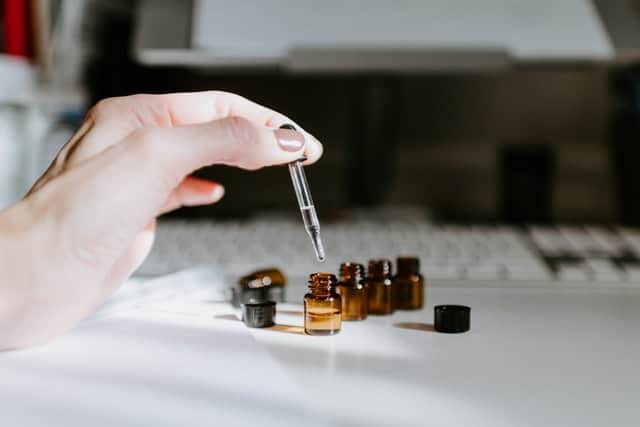
The use of essential oils can provide relief from constipation, cramps or bloating. Many essential oils are suitable for this.
Essential oils can help with constipation
Even if occasional constipation will not have any serious consequences, it is very annoying and can cause hemorrhoids, for example. Chronic constipation, on the other hand, is a clear sign of massive problems not only in the digestive system, but in the entire organism.
Because when digestion falters, the gut flora appears to be imbalanced, and this factor alone can have far-reaching consequences since the gut flora is directly related to the performance of the immune system.
In the case of constipation, the first priority is natural measures that tackle the cause. Those who suffer from lack of exercise, lack of water and lack of fiber should first correct these deficiencies. Constipation can often be dispelled very well by restoring the intestinal flora or by sitting naturally in a squat position. The first successes usually appear very quickly. We have presented other home remedies for constipation in the previous link.
However, you can always use aromatherapy with essential oils, which has been practised in folk medicine for centuries. Selected essential oils can not only help to dissolve constipation, but also support the treatment of many other digestive problems – whether cramps, flatulence, a nervous stomach, etc.
A very important benefit of aromatherapy for constipation is that you need to take time for yourself first. Prepare the oils in peace and quiet, ensure a comfortable environment and lie down. The resulting relaxation alone has a healing potential that should not be underestimated – in contrast to oral intake of digestive aids, which can be swallowed quickly and easily.
Using essential oils for constipation
Although essential oils are natural, they are very concentrated plant extracts, so they should only be used diluted. In the case of constipation, the following applications are possible:
Dilute essential oils with a base oil such as coconut oil, almond oil, jojoba oil or olive oil before applying it to the skin. Usually, you mix 2 to 5 drops of the respective essential oil with 1 teaspoon of base oil, thus containing a fragrant massage oil and massage it into the abdominal area.
Mix a few drops of the selected essential oil into a natural body oil or body lotion that you already have at home and use this mixture to massage your abdominal area as well.
Apply the essential oils to a warm, wet washcloth (2 to 4 drops) and place on the stomach like a hot compress.
Inhale essential oils using an essential oil inhaler. The selected essential oil and hot water are poured into the inhaler according to the instructions. The advantage of the inhaler is that only the mouth and nose come into contact with the essential oils. The usual inhalation with a hot water bowl and a towel over the head can irritate the eyes. In the case of constipation, inhalation is rarely used, but it can certainly be used to support it. Because the essential oils get into the bloodstream via the respiratory tract and from there into the gastrointestinal tract.
Although ginger is better known as a spice in the food sector, it is also a popular remedy for nausea and stomach problems and has therefore been part of Chinese and Indian naturopathy since the beginning of their time.
Essential ginger oil (2 drops) is best placed on a washcloth soaked in hot water and placed on your stomach. Make sure the water temperature is not too hot. Leave the washcloth for a few minutes until it begins to cool. Then massage the abdomen for 2 to 3 minutes in a clockwise direction.
Peppermint oil contains menthol, which is responsible for the cooling effect of this essential oil. Sensitive people do not tolerate menthol very well on the skin. Therefore, test your tolerance first on a small area of skin. If redness or burning occurs, switch to a different oil.
Peppermint oil has a relaxing and pain-relieving effect – both on the muscles in general and on those in the gastrointestinal tract.
If you have constipation or stomach problems, add 2 drops of peppermint oil to 1 teaspoon of warmed base oil. This small amount of oil is used to massage the abdominal area. Gently work the oil into the skin in a clockwise direction. Ideally, the massage should be performed three times a day.
Essential peppermint oil should never be used on babies and small children, as the menthol could lead to breathing difficulties up to and including respiratory arrest.
Fennel essential oil for constipation
An article published in the journal BioMed Research International reads that fennel can help with all digestive disorders, including constipation. The essential oils of fennel were mentioned as the particularly effective components of fennel.
Essential fennel oil can also be used as an aid in an abdominal massage, but it can also be inhaled. 2 drops of fennel oil are added to a teaspoon of base oil and massaged again in a clockwise direction around the navel. Start with small circles that you gradually increase in size. If feasible, you can also do both at the same time: inhale and massage, e.g. if you have someone who does the massage for you.
Lavender essential oil for constipation
Constipation is often the result of stress, because constant tension leads to blocked digestion. Essential lavender oil is the master of relaxation and is also often used to promote sleep. If you have a room diffuser, you can put the lavender oil in there in the evening and experience the stress-relieving effects of this essential oil.
Lavender oil is also an important oil for flatulence and stomach ache. Simply add 1 to 2 drops of this oil to 1 teaspoon of base oil, apply to the stomach and gently massage in a clockwise direction as usual.
Chamomile essential oil for constipation
Chamomile essential oil can be used alone or mixed with lavender essential oil. The two oils not only relax and decongest the mind but also the digestive system. They also improve intestinal peristalsis and relieve flatulence.
The two essential oils are mixed with a base oil (2 drops each for 1 teaspoon of base oil), applied to the stomach and gently massaged in clockwise – ideally three times a day.
Mixtures of essential oils
Now one could assume that a massage alone for constipation would certainly be very useful and beneficial and that you might not need essential oils for it. However, in a study published in the Journal of the Korean Academy of Nursing, abdominal massage with essential oils (here, a blend of rosemary , lemon, and peppermint) was found to be significantly more effective for constipation than massage alone.
Essential oils for constipation
In case of constipation, essential oils can be used very well. The scent alone has a positive and relaxing effect on the mood. Since the individual essential oils do not only have an effect on digestion, you can often discover other positive properties with their use at the same time.
Please discuss the use of essential oils in babies and small children with a pediatrician, naturopath or aromatherapist.
In our clinic, we use high-quality therapeutic-grade essential oils that can also be taken internally.
Eczema is an inflammatory skin manifestation. It can look very different and spread to different degrees. Often eczema appears because there is an intestinal fungus – without the patient knowing about this fungus. However, if the fungus is combated, eczema also disappears.
Eczema affects children and adults
Eczema is a – mostly itchy – skin irritations. There are many different types and classes of eczema, with the most common eczema usually being classified as “atopic eczema” (formerly: neurodermatitis). However, the following article is not only about neurodermatitis but about all types of eczema.
The itching is often so severe that those affected scratch the skin, which can result in larger injuries, which in turn can result in ugly scars.
In 85 percent of cases, the disease first appears in childhood. However, eczema that does not appear until later in adulthood is also possible. In half of all affected children, eczema goes away on its own, while in the others the problem can persist for life.
Causes of Eczema
In each patient, different causes and triggers may be responsible for eczema ( 1 ) ( 2 ). This can be certain soaps, detergents, heavy sweating, stress, certain items of clothing, food intolerance (e.g. a histamine intolerance ) or a particular piece of jewellery. If these factors are responsible for eczema, then there is a fairly simple way to do something about it – which is to treat the causes or avoid the triggers.
Conventional treatment for eczema
Conventional medicine treats eczema in various ways. A possible intestinal fungus is rarely taken into account.
Cortisone ointment for eczema
The conventional traditional medical treatment approaches include the use of “topical steroids”, i.e. cortisone-containing ointments. However, they can contribute to thinning of the skin and of course do not correct the root cause of the problem.
Immunosuppressants for eczema
So-called immunosuppressants are sometimes used to treat eczema. They are said to slow down the immune system since eczema is often referred to as a hereditary autoimmune problem. However, they only work as long as you take them. In addition, immunosuppressants can have far-reaching side effects, such as gastrointestinal diseases, cardiovascular diseases, diabetes mellitus, cancer, etc. For this reason, these drugs may only be used for 6 to a maximum of 12 months.
If there is an intestinal fungus in eczema
However, therapists working in naturopathic medicine are finding again and again that people who suffer from inflammatory eczema are infected with an intestinal fungus (Candida albicans). Although this intestinal fungus lives in the intestines of most people in very small numbers. Candida becomes problematic when the living conditions in the digestive system for this intestinal fungus improve so that it can multiply rapidly. And exactly the latter seems to be the case with eczema patients.
Causes of an intestinal fungus
Some new studies have shown a close connection between an intestinal fungus and the occurrence of eczema:
The causes for a disturbed intestinal flora and thus for excessive growth of Candida can be hidden in the diet if mainly industrially processed foods with a lot of sugar and white flour are consumed and at the same time, few vegetables and few fibre-rich foods are on the menu.
Intestinal fungus is particularly common after taking antibiotics. Because antibiotics decimate numerous intestinal bacteria, they do not act against fungi at the same time, so the few intestinal fungi living in the healthy intestine can suddenly multiply explosively.
Stress and other factors that lower the immune system also promote fungal growth and ensure a misguided intestinal flora and the excessive proliferation of intestinal fungi.
How an intestinal fungus can lead to eczema
Intestinal fungi give off metabolic toxins which (if the fungi multiply excessively) attack the intestinal mucosa. The intestinal mucosa can become more permeable (the so-called leaky gut syndrome).
This syndrome results in fungal toxins or incompletely digested proteins leaking into the bloodstream, which in turn can lead to autoimmune reactions and allergies of all kinds, most notably eczema and skin rashes.
It should be noted that there are often no candida fungi on the skin. Eczema only occurs due to a sensitive reaction of the organism to the fungal toxins.
Treating intestinal fungus in eczema
In the case of eczema, the first step could therefore be treating the intestines, i.e. fighting the intestinal fungus. For this purpose, not only means are taken that eliminate the intestinal fungus, but also means (probiotics) that build up a healthy intestinal flora again.
In summary, possible measures against intestinal fungi are as follows:
Changing your diet to a healthy alkaline-excessive diet without isolated carbohydrates (without table sugar, without white flour and without pasta or baked goods made of white flour, without white rice). Stevia, xylitol and erythritol could be used as sweeteners. Use whole grain products instead of white flour products.
Incorporate antifungal foods into your diet (garlic, oregano, coconut oil, pomegranates, etc.)
Choose an antifungal natural supplement, such as Grapefruit seed extract, olive leaf extract, oregano oil etc.
Build up your intestinal flora and regulate your intestinal environment with an effective intestinal cleansing program.
Mineral earth absorbs the toxins of the intestinal fungi
Keep in mind that fungal treatment can initially cause uncomfortable symptoms, such as headaches, nausea, tiredness, etc. This is due to the fact that when the intestinal fungi are killed, large quantities of fungal toxins are released and put a strain on the body. However, within a week these symptoms should subside and your condition will gradually improve. Taking mineral earth helps against these side effects since mineral earth such as bentonite or zeolite absorbs toxins in the intestine and eliminates them through the stool.
Eczema can usually be reduced by these measures and the itching is reduced. In some people, eczema goes away completely. If, however, mental factors, in particular, have led to the skin problem, psychotherapeutic care is also recommended.
Having colonics can help to reduce intestinal fungi and also help to regrow more good bacteria. Many people report an improvement in their skin with regular colon cleansing.
Bloating, abdominal pain and diarrhea can indicate an overgrowth of the small intestine, also known as SIBO. We discuss the appropriate natural treatment methods.
What is small intestine overgrowth? What does SIBO mean?
The small intestine bacterial overgrowth is often abbreviated to SIBO.
If the small intestine is colonized incorrectly, an unnatural number of lactic acid bacteria (lactobacteria) have settled in the small intestine. Lactic acid bacteria normally live in the large intestine, where they are wanted and usually do not cause any problems.
In the small intestine, these bacteria now ferment carbohydrates (sugar, starch) with the formation of gas, which explains the main symptoms (bloating, abdominal pain). This can also produce what is known as D-lactic acid. In contrast to L-lactic acid, which is also formed by the organism itself during natural metabolic processes, D-lactic acid is difficult for the body to break down again. It, therefore, remains in the intestine for too long, can get into the blood via the intestinal mucosa and acidify it. A so-called lactic acidosis has developed – acidification due to lactic acid. This in turn can lead to the concentration problems described below and to a kind of short-term mental confusion.
In addition, the bacteria that are mistakenly resident in the small intestine prevent the digestive enzymes from doing their job, so that the food cannot be digested properly. More incompletely digested food particles than usual reach the large intestine, which can now also lead to problems there, namely increased bacterial activity and thus bloating.
What are the symptoms of small intestine overgrowth?
The typical symptoms of small intestinal overgrowth (SIBO) are a bloated abdomen and abdominal pain. Bloating often doesn’t go away, which explains the bloated stomach and pain. Most often, these complaints appear immediately after meals and persist for hours, which greatly affects the quality of life. Chronic diarrhea or chronic constipation can also set in which basically describes the symptoms of irritable bowel syndrome.
And indeed: Many irritable bowel syndrome patients do not suffer from their symptoms without a reason (as many doctors, unfortunately, tell these patients again and again), but as a result of an abnormal colonization of the small intestine. Yes, it is said to be over 50 percent of all IBS patients whose IBS is actually SIBO.
In addition, in the case of miscolonization in the small intestine (and thus also in the case of irritable bowel syndrome), concentration disorders and confusion can (but do not have to!) occur, a kind of drowsiness. These symptoms are attributed to D-lactic acid. This is considered toxic for the brain cells and can therefore cause cognitive disorders, irritate thought processes and even affect the sense of time. This symptom also sets in after eating, after half an hour at the latest, and can persist for a few hours.
In the long term, abnormal colonization of the small intestine can lead to deficiency symptoms and weight loss, since digestion and nutrient absorption are disturbed. Vitamin B12 deficiency is often diagnosed.
What could be the causes of small intestine overgrowth?
The so-called ileocecal valve usually no longer closes properly when there is an overgrowth of the small intestine (SIBO). This valve is located between the large and small intestine and prevents bacteria or food from the large intestine from getting back into the small intestine in healthy people.
But why is the ileocecal valve defective? The valve usually wears out as a result of chronic flatulence. Of course, flatulence also has causes (intolerances, unhealthy diet, meals that are too large, too much fibre, unfavourable food combinations, etc.).
Also chronic constipation alone, due to slowed intestinal motility (intestinal peristalsis = intestinal movements that transport the chyme through the intestine), is enough to lead to an imbalance in the small intestinal flora.
The following factors come into question as causes of slowed intestinal motility or generally for the promotion of SIBO:
antibiotics
diabetes
Drugs that have a constipating effect, e.g. B. some antidepressants, Parkinson’s drugs, diuretics (water tablets) or iron supplements
PPIs (proton pump inhibitors), which are prescribed for heartburn , reflux or to protect the stomach, can encourage overgrowth in the small intestine. Because the stomach acid would normally prevent an excess of bacteria (e.g. from yoghurt or other fermented foods, but also from probiotic preparations) from getting into the small intestine. Acid blockers, however, lower the stomach acid level so much that the stomach acid can no longer protect the intestine and many more bacteria get into the small intestine than would be healthy.
Operations due to obesity (gastric bypass)
Fistulas between the small and large intestine
Diverticula
Alcohol consumption
Diseases such as celiac disease, pancreatic insufficiency, non-alcoholic fatty liver
FODMAPs (FODMAP is the abbreviation for “fermentable oligo-, di- and monosaccharides and polyols”, this is a group of carbohydrates that are contained in many foods – mostly naturally, i.e. not as an additive – and are fermented by the intestinal bacteria If you practice a low-FODMAP diet, this can alleviate irritable bowel syndrome in many people. FODMAPs include fructose, lactose, sugar substitutes (xylitol, sorbitol, etc.) and many more. There are long lists of permitted and prohibited foods.)
Prebiotics (e.g. inulin)
Probiotics for small intestine overgrowth: yes or no?
A 2018 study suggested that probiotics could cause small intestinal overgrowth, or at least make it worse. However, the subjects in question had taken excessive amounts of probiotics and in some cases were also taking acid blockers, which alone can promote the development of defective colonization of the small intestine.
In June 2019, a study was published that showed that a proper dose of probiotics (one capsule twice a day for 30 days) could even significantly improve the symptoms of small intestine overgrowth in irritable bowel patients.
So it depends on the accompanying circumstances, how the patient is doing, what medication he is taking, what other complaints he has, etc. Probiotics are therefore prescribed very individually and never in excessive quantities!
How can you protect yourself from colonization in the small intestine?
All measures that ensure a healthy gastric acid level can also protect against overgrowth in the small intestine ( healthy nutrition, eating slowly, chewing carefully, do not eat when you are stressed, taking bitter substances when there is a lack of gastric acid, avoiding stomach-damaging medication if possible, etc.).
Healthy pancreatic function is also important. This forms enough digestive enzymes for the small intestine, which in turn contain an excess of bacteria there.
The liver and gallbladder must also function properly since the bile acids also prevent overgrowth in the small intestine.
Constipation should be avoided at all costs, and one should consciously eat in such a way that one does not suffer from constant flatulence.
Basically, what is required is an overall healthy diet and lifestyle that keeps all bodily functions in a healthy balance.
How is small intestine overgrowth diagnosed?
Small intestine overgrowth can be detected relatively easily with the hydrogen breath test. To do this, you go (on an empty stomach) to a gastroenterological practise and are given a mixture of glucose and water to drink. The hydrogen content in the exhaled air is then measured several times (at fixed time intervals).
Hydrogen is produced in the gut when bacteria ferment incompletely digested carbohydrates. This hydrogen enters the blood via the intestinal mucosa, from there into the lungs and is then exhaled.
A hydrogen breath test, therefore, produces a sugar drink (lactose, fructose), since this would be completely absorbed in the small intestine of a healthy person. If there is an overgrowth in the small intestine, however, the sugar is fermented by the excess bacteria before it can be absorbed. This produces hydrogen.
So if the hydrogen content of the breathing air increases after 30 to 60 minutes, then the suspicion arises that hydrogen-producing bacteria are already present in the small intestine and that there is an incorrect colonization of the small intestine. If the hydrogen content of the breathing air does not change, it is unlikely that there is an abnormal colonization of the small intestine.
How does conventional medicine treat an overgrowth in the small intestine?
If the doctor has found that there is an abnormal colonization of the small intestine, then you will be given an antibiotic.
In some cases, but by no means all, the symptoms subside after taking the antibiotic, but often return after some time, so that then several antibiotic therapies have to be carried out. But even these do not guarantee long-term success. The conventional medical options for small intestine colonization are therefore still very limited so that the search for new ways is extremely important.
Herbal therapy in SIBO more effective than antibiotics
In May 2014, a study was published in which the effects of rifaximin were compared with the effects of herbal alternatives in patients with small intestinal overgrowth (SIBO) in various US hospitals ( 1 ). In this study, 104 patients received either 400 mg of rifaximin three times a day (67 patients) or two capsules of herbal therapy twice a day (37 patients) for four weeks – see next paragraph (two capsules of one drug and two capsules of the other drug).
In the rifaximin group, the breath test after the therapy was negative in 34 percent (17 people), which indicated that there was no longer any abnormal colonization of the small intestine. In the herbal group, however, it was even 46 percent (23 people).
14 of the 44 patients who had not responded to the antibiotic therapy now also received the herbal therapy – and 8, i.e. more than half, subsequently had a negative breath test. Another 10 of the patients who had not responded to rifaximin received a combination of three antibiotics, which worked in 6 people. The three antibiotics were: cindamycin 300 mg, metronidazole 250 mg, neomycin 500 mg.
However, the nine gastroenterologists involved in the study only concluded that herbal therapy was at least as effective as antibiotic therapy in combating SIBO. Even in people who do not react to rifaximin, herbs can be used instead of the three-way antibiotic combination.
On the side effect profile, the herbal therapy arm performed incomparably better: only one case of diarrhea was reported, while the antibiotic group reported two cases of diarrhea, two cases of skin rash (hives), one case of Clostridium difficile and one case of experienced anaphylaxis.
How can you treat small intestine overgrowth naturally?
Many herbs or botanicals are known for their antimicrobial/antibiotic properties. Therefore, the following herbal mixtures available commercially in the US were used in the above study:
Dysbiocide jointly with FC Cidal ( Biotics Research Laboratories , Rosenberg, Texas) or
Candibactin-AR along with Candibactin-BR ( Metagenics, Inc. , Aliso Viejo, California).
You take two capsules of one remedy (e.g. in the morning) and two capsules of the other remedy (e.g. in the evening).
The cost for a 30-day therapy with these preparations was 120 US dollars. As far as we know, the two preparations from Biotics Research are currently only available in the USA.
Below are the respective ingredients of the herbal preparations, so that you can possibly have them made in a corresponding pharmacy, whereby the exact recipe is only known from Candibactin-AR.
1. Biotics Research FC Cidal:
Tinospora cordifolia (stem), also Guduchi, an Ayurvedic medicinal plant
horsetail (stem)
Lapacho (inner bark)
Thyme (leaves and stems)
tarragon (leaves)
Sand mallow (leaves and stems)
olive tree (leaves)
2. Dysbiocides:
dill seeds
Stemona Sessilifolia Extract
Artemisia Absinthium Extract (young shoots and leaves)
Pulsatilla Chinensis Extract (Root)
Brucea javanica extract
Picrasma Excelsa bark extract
Acacia Catechu Extract (stem)
Hedyotis diffusa extract
Yarrow extract (leaves and flowers)
3. Candibactin-AR: content per capsule
Red thyme oil (Thymus vulgaris, 30% to 50% thymol), 0.2 ml
Oregano oil (Origanum vulgare, 55% to 75% carvacrol), 0.1 ml
Chinese Goldthread Root Extract (Coptis chinensis with Berberine) 30 mg
Barberry Root Extract (Berberis aristata with Berberine) 70 mg
Berberine Sulfate 400 mg
Mixture of the following 6 ingredients (300 mg):
Chinese Goldthread Root Extract (Coptis chinensis with Berberine)
Baikal skullcap root (Scutellaria baicalensis)
Chinese cork tree bark (Phellodendron chinense)
Ginger root (Zingiber officinale)
Chinese licorice root (Glycyrrhiza uralensis)
Rhubarb root (Rheum officinale)
Should you consult a therapist to treat small intestine overgrowth?
Of course, other (simpler) measures could also work in the case of SIBO. Since there are no studies/examinations on this yet, you would have to test what is personally effective for you.
For example, you could test a low-FODMAP diet while taking zeolite or psyllium husk powder and an antibiotic herbal preparation such as oregano oil, to get started.
Having colonics has no direct effect on your small intestine, but it can support you in avoiding getting SIBO in the first place by helping to keep the large intestine and its valves working optimally.
SELF-CONTAINED GASTROINTESTINAL TRACT PULSE STIMULATOR FOR ENDOGENOUS ELECTRO-PHOTO-THERAPY
Note: This information comes from Russia where the Photon tablet is produced and various studies have been done. It is commonly used in Russian doctors surgeries and hospitals.
BACKGROUND
The Photon Tablet is a new level of technology in the development of miniature medical devices. It is a self-contained physiotherapeutic apparatus for endogenous exposure to electrical impulses and a visible radiation spectrum.
Using this device makes it possible to control the processes of immunogenetics, growth of normal intestinal microflora and therefore to treat a wide range of diseases.
Initially, electro stimulants were used only in gastroenterology to normalize the functioning of the gastrointestinal tract. In recent years, advances in micro-optoelectronics have evolved into a brand-new class of physiotherapeutic devices — Self-contained light sources that make it possible to affect parts of the gastrointestinal tract which are inaccessible to endoscopic technology.
The new self-contained photo stimulator has an active effect both on the bacterial flora of the intestine (the composition of the intestinal microflora directly influencing the functioning of all life support systems of the body) and on immunocompetent organs and cells responsible for the production of secretory immunoglobulins that protect all mucous membranes.
The intestine plays a major role in a well-functioning immune system and this device is a non-pharmaceutical method of bio energetically stimulating the intestinal tract. Bolstering your immune system and reducing negative effects on the body through internal Electrical stimulation.
DESIGN AND OPERATING PRINCIPLE OF THE PHOTON TABLET
A self-contained electric photo stimulator (RF Patent for the invention No. 2145892) is a small capsule 22 mm long and 11 mm in diameter, consisting of two metal hemispheres serving as electrodes and connected by an insulating sleeve made of special transparent plastic.
LED light sources, an electric pulse generator and a power source are located inside the capsule.
The operating factors of the Photon Tablet are the light of the red and green emission spectrum and weak electrical impulses.
When the capsule is introduced into the moist environment of the body, the work program of the electric photo stimulator starts. The control program alternately turns on the light sources and an electric pulse generator, which generates impulses close in their parameters to those physiological signals that control organs and systems in a healthy person.
Being in the oral cavity, moving along the gastrointestinal tract (GIT), rectally or vaginally, the SGI tract through a response to impulses from the central nervous system normalizes the work of all organs and systems, affects tissues, blood vessels and nerve endings.
Excitation of peripheral nerves and plexuses with the help of electrical impulses normalizes metabolism, improves tissue nutrition, and reduces inflammation.
Electrical stimulation through biologically active points reflexively enhances human immunity. At the same time, the so-called “after-effect” remains – after a single application of the stimulant, the activation of the activity of all organs and systems does not stop. The “aftereffect” lasts up to six months.
The mechanism of the healing effect is significantly different from the traditional therapy with pharmacological drugs. Unlike drugs, the effects of an electro stimulator have no side effects. The use of SGHT is effective in patients with manifestations of allergies and individual intolerance to drugs, with dysbacteriosis of the intestine and genitourinary system.
The stimulator is made of biologically inert and environmentally friendly materials. Long-term clinical practice of the device did not reveal any complications.
Light effect on GIT
Visible light in the GIT interacts with tissues and substances that can actively absorb this optical spectrum. Such substances are found in blood, in tissues, and come from food.
In particular, the following components interact with light: haemoglobin, melanin, red blood cells, carotenoids, proteins, amino acids, cytochromes, bilirubin and its metabolic products and chlorophyll that comes to the body from food. Some enzymes of the respiratory chain are activated by the action of light, which leads to a positive change in tissue respiration. Light has a pronounced effect on the bacterial flora of the intestine and the cells of the gastrointestinal tract walls, which contain clusters of both immunocompetent and hormone-producing cells of the so-called diffuse endocrine (APUD) system.
The interaction of light with cells and biological tissues occurs not only on the contact surface but also due to the processes of light photon penetration deep into the tissues of gastrointestinal organs and systems. The penetration depth depends on the spectral range of the emission.
Light effect on intestinal microbiocenosis
Short-term irradiation of the normal intestinal flora with the visible emission spectrum of the Photon Tablet causes an increase in protein metabolism and acceleration of cell division. At the biochemical level, the reaction of microorganisms to light is manifested in accelerated RNA synthesis. In addition, an increased pace of development remains in at least 30 cell generations at three passages.
At the same time, the development of the pathogenic gastrointestinal flora is inhibited, which generally leads to the normalization of intestinal microbiocenosis.
Light effect on the immune system
Immunocompetent lymphocytes aggregations in the small intestine (Peyer’s patches) play an important role in the immune system of the gastrointestinal tract and the entire body. In particular, Peyer’s patches are an important source of plasmacytes – cells that synthesize secretory immunoglobulin A (SIgA – a protein that protects the body from foreign substances). The main properties that determine the ability of SIgA to protect the body are:
high resistance to proteolytic enzymes, which allows it to function in the secrets of the mucous membranes.
prevention of adhesion of pathogenic microorganisms (including their toxins, food and bacterial allergens) on the epithelium of the mucous membranes, by blocking their penetration into the internal environment of the body.
“Photon Tablet” light, acting on Peyer’s patches, activates the production of SIgA by them, which stimulates not only the GIT immune system but almost all the mucous membranes and glandular organs (lungs, urogenital tract, mammary, salivary glands, etc.).
Electric stimulation of GIT organs and tissues
The Photon tablet, in addition to photoactivation of immunocompetent cells and gastrointestinal flora, also acts by impulse currents on damaged nerves and muscles of the gastrointestinal organs and systems, restoring their normal activity.
Stimulation of peripheral nerves by applying electrical pulse bursts to them activates the processes of their metabolism, which in turn promotes restoring the conductivity and excitability of peripheral nerves and accelerating their regeneration. With that, the nervous regulation of muscle contractions of the intestinal walls is restored, the strength and volume of the muscles, their adaptation and the fatigue threshold increase. The contractions and relaxation of muscle fibres that occur during electrical stimulation prevent muscle atrophy.
At the same time, the plasma content of compounds (ATP, creatine phosphate, etc.) in muscle and nerve tissue cells, that feed the cell with energy increases, the activity of enzymes enhances, the rate of oxygen utilization increases, and energy consumption for contraction stimulated by the pulses reduces compared to conventional voluntary contraction.
Due to the reduction of nerve fibres, caused by inflammatory processes, their conductivity is restored, which leads to a weakening of pain sensitivity.
All the above processes of electrical photo-action lead to the normalization of the activity of affected organs and systems, increase in the human body resistance.
In this case, the secondary reaction to a single use of an electric stimulator is extended over time and the “aftereffect” can be felt within six months.
INDICATIONS FOR USE OF THE PHOTON TABLET
Electrostimulation is a unique method of non-drug exposure to human organs and systems and can be used in almost all areas of medicine.
After the use of the electro stimulator, vitality increases, the state of health improves, the state of depression passes, sleep and appetite normalize, efficiency increases, blood pressure normalizes, headaches and toothaches are relieved.
Photon tablet is recommended for complex therapy and prevention of various diseases:
Immunodeficiency states, manifested by a decrease in the total number of WBC, the level of immunoglobulins and an imbalance in their content, a decrease in the number of lymphocytes.
In the complex therapy of diabetes mellitus
Intestinal dysbiosis and bacterial vaginosis (restoration of the normal composition of microflora
Intestinal atony and paresis of various genesis.
Dysfunction of the urinary system (megaureter, vesicoureteral reflux, urolithiasis).
Skin diseases. Allergic skin manifestations.
Effective cleaning of the gastrointestinal tract from toxins and old deposits.
Chronic constipation.
Duodenostasis and biliary dyskinesia – functional duodenostasis and postcholecystectomy syndrome, hypomotor and hypotonic dyskinesia of the extrahepatic biliary paths and duodenum.
Helminthic duodenostasis, including opisthorchiasis aetiology. Photo stimulation restores damaged mucous membranes and the functions of organs.
Hepatitis (including viral aetiology). The bile-forming function of the liver is stimulated, and biochemical blood parameters are quickly normalized. Due to the prolonged course of hepatitis, repeated intake of the electric stimulator in 2 weeks is recommended.
Chronic Pancreatitis. The function of the pancreatic duct system is restored and the number of digestive enzymes is normalized; the pain syndrome decreases;
Gastritis (hyper-acid, norm-acid, an-acid).
Ulcerative disease in remission:
Helminthic invasions; (the presence of giardiasis, opisthorchiasis, ascariasis, etc.). Electrical stimulation adversely affects the life of the opisthorchus (liver flukes) as a result, they stop producing eggs for 2–3 months.
Poisonings (including severe degree).
Irritable bowel syndrome.
Normalization of lipid metabolism, which determines the development of atherosclerosis, occurs.
Neurology (injuries of the central nervous system, spinal injuries, lesions of peripheral nerves, osteochondrosis (intervertebral disc herniation), scoliosis, impaired posture, muscle tone disorders, autonomic dysfunction syndrome, the consequences of strokes, with neuritis in the recovery period).
Gynaecology (functional disorders of the female genital area (menstrual irregularities), chronic nonspecific inflammatory diseases of the female genital organs (colpitis, adnexitis, metroendometritis, pelvioperitonitis), autonomic pelvic ganglion (latent course, infiltrative-exudative variant), including infertility in women (with hypoplasia of the uterus), adhesions of the pelvic organs, decreased sexual function in women.
Andrology (infertility in men, lack of erection, impotence, chronic prostatitis in the stage of moderate exacerbation or remission, congestive prostatitis, adhesions of the pelvic organs).
Dentistry (gingivitis, stomatitis, periodontitis, periodontal disease, inflammation of the oral mucosa).
After the use of an electric photo stimulator, an increase in vitality is noted, well-being is improved, a state of depression is passed, sleep and appetite are normalized, and working capacity increases. The level of immunity increases markedly, the course of many diseases is facilitated, blood pressure and haemoglobin, lymphocytes in the blood are normalized (laboratory blood counts).
As a non-pharmacological method of therapy, the “Photon Tablet” is especially effective in treating patients with allergic signs and individual intolerance to medicinal products.
CONTRAINDICATIONS – CONDITIONS, AT WHICH THE ELECTRIC PHOTO-STIMULATOR CAN BE USED ONLY ON THE RECOMMENDATIONS AND UNDER MEDICAL SUPERVISION
Mechanical intestinal obstruction.
Acute myocardial infarction, cardiac arrhythmia, aneurysm of the heart, blood vessels, severe disturbances of the heart rhythm and blood circulation, the presence of an artificial pacemaker (implanted pacemaker), acute thrombophlebitis.
Diagnosed malignant neoplasms.
Bleeding of various genesis.
Acute conditions requiring urgent surgical intervention or acute cerebrovascular accidents.
Persons who can’t swallow.
Children under 10 years of age.
While the APS is in the body: magnetotherapy and NMR tomography are contraindicated.
INSTRUCTION FOR USE OF THE PHOTON TABLET
Photon Tablet may be used in several ways:
Holding of the electric stimulator in a mouth (lingual).
Swallowing (transintestinal). Single-use!
Rectal administration (transrectal) or vaginal administration (transvaginal). With this route of administration, it is recommended to use a rectal-vaginal stimulator.
Introduction of an electric photo stimulator into the intestinal fistula or into the intestinal lumen during surgery (intraoperative).
The choice of a route depends on the specific disease or state of the patient and the conditions for the provision of medical care.
ATTENTION! When using an electric photo stimulator, the following recommendations must be followed:
Prior to the first use of the tablet, it is necessary to wipe it with a cotton cloth or cotton wool moistened with hydrogen peroxide (or 40% alcohol solution). After each treatment session, the stimulant is thoroughly washed with soap and water, then treated with a cotton cloth or cotton wool moistened with hydrogen peroxide (or 40% alcohol solution), wiped dry and stored in a sealed package, well protected from moisture (this is necessary to prevent self-stimulator).
It is not recommended to take actions that require concentration of attention (driving a car, high-altitude work, etc.) on days of receiving an electric stimulator.
While the electric stimulator is in the body, it is not recommended to carry out physiotherapeutic and diagnostic manipulations.
To test the working efficacy of the Photon Tablet, it is necessary to hold the red 2pronged activator terminals to each end of the tablet for 20 seconds. It is working if the red and green light on the transparent sleeve of the tablet blink approximately every 3 seconds.
Holding of the electric stimulator in a mouth (lingual route).
The method is based on the stimulation of biologically active points located in the oral cavity and closely connected with all cranial centres. The lingual route is used in the complex therapy of fragile patients with diseases of the oral cavity (stomatitis, gingivitis, periodontal disease, inflammation of the mucous membranes and gums), as well as in cases where it is difficult for the patient to decide immediately to swallow the stimulant.
The capsule is placed in the oral cavity for 15-20 minutes. During the session, the capsule must be actively moved with the tongue in the oral cavity. In the presence of metal crowns, pain is possible. It is recommended to avoid contact of the capsule with the crowns by carefully moving the stimulator along the transitional fold between the cheek and gum or isolating the crowns with a cotton pad or gauze.
The question of the duration of the session should be decided individually, according to the patient’s condition. It could be 10 minutes or more.
The duration of the treatment course maybe 7 to 30 days (daily). To achieve sustainable positive results, a repeat treatment course is recommended.
For lingual use, the Photon Tablet is a reusable device. After the session, the capsule is washed with water, then it is treated with cotton clothes or cotton wool moistened with hydrogen peroxide (or 40% alcohol solution), wiped dry and stored in a packaging, well-protected from moisture (this is necessary to prevent stimulator self-discharge).
Swallowing of the stimulator (transintestinal route)
The most common route of administration of the Photon Tablet. It is recommended for the first time to swallow an electric photo stimulator in the morning on an empty stomach on a day off from work. At the same time, the greatest effectiveness of the therapy is observed. To facilitate the process, the capsule can be washed down with water. For easier passage of the capsule through the gastrointestinal tract, a cleansing enema is recommended the night before.
The amount of time that the capsule is in the body depends on the specific gastrointestinal tract functioning. On average, it is 24 – 36 hours. After that, the electric photo stimulator leaves the body in a natural way. In individuals with atonic intestines, a swallowed capsule may retain for several days.
In most cases, a positive result is achieved when taking the capsule once every six months. In some cases, to enhance the therapeutic effect, it is recommended to use the Photon Tablet 2-3 times one after another with an interval of 15 days.
Vaginal or rectal administration of the stimulator (Intravaginal, transrectal routes)
With this route of administration, it is recommended to use a rectal-vaginal stimulator. The treatment method is safe and highly effective.
The electric photo stimulator is lubricated with oil or petroleum jelly. The patient lies on his left side, pulling his knees to his chest and introducing the capsule into the lumen of the rectum to the depth of the index finger (5-7 cm). Intravaginally, the stimulator is administered in the supine position with half-bent separated legs to the depth of the index finger (5-7 cm).
The optimal exposure time per session is 15-20 minutes. Treatment duration depends on the disease – from 10 days to several months.
The method can be used both as an independent method of treatment and in combination with pharmacological therapy.
Administration of the stimulator during surgery. (intra-operational)
During the operation, an electric photo stimulator is inserted directly into the intestinal lumen, for example, behind an anastomosis. Opening of the package and the introduction of an electrical stimulator is carried out in compliance with asepsis.
Possible sensations when taking an electro stimulator
Depending on the type of the nervous system (individual sensitivity), different variants of internal sensations are possible in patients during the operation of the electro stimulator inside the body. Those with a higher sensitivity threshold feel painless spontaneous contractions of the stomach muscles, right-sided abdominal muscles, and legs.
When holding the stimulator in the mouth, the patient feels tingling sensations under the tongue of varying intensity.
With rectal/vaginal application, tingling sensations are possible in the area of the rectum, vagina. On the 2-3rd procedures, some patients notice an increase in the pain syndrome. This is a predictively good sign indicating the resumption of adequate muscle contractions. If the pain is not relieved by the sixth day, you should take a break for 1–2 days and then continue treatment, halving the time of the first one or two sessions.
FEATURES OF PHOTON STIMULATOR USE
An electric photo stimulator affects organs both locally and reflexively through the centres of the spinal cord and brain, which are responsible for the function of this organ. In this case, the smooth muscle contractions are restored, which, in addition to restoring normal activity and improving the functions of organs, helps to eliminate inflammatory processes and congestion.
The course of exposure to the photon tablet is prescribed as a method of preventing the formation of adhesions after operations on the abdominal organs.
The use of electrical stimulators is well combined with both conventional and non-conventional methods of treatment. The use of an electric photo stimulator increases the effectiveness of the complex treatment of diseases by 2–3 times, reduces the medication load, which is important for long-term treatment.
The device is portable and easy to use, which makes it possible to use electrical photostimulation at home upon the recommendation of a doctor.
Use of photon rectovaginal stimulator (RVS)
The photon stimulator for rectal-vaginal administration is the same Photon Tablet, additionally equipped with a flexible holder. In this case, with the transrectal or intravaginal route of administration, both the introduction and removal of the photon stimulator are greatly facilitated. This method of treatment is most effective for the therapy of diseases with gynaecological and andrological pathology.
In gynaecology.
The use of a photon rectovaginal stimulator increases the effectiveness of the complex treatment of genital diseases (bacterial dysbacteriosis) by 2–3 times, reducing the medication load, which is helpful for long-term treatment. At the same time, the terms for resolving inflammation and pain are reduced. The normal vaginal microflora is restored.
For women, both options for the use of a photon rectovaginal stimulator are allowed. It depends on the disease, which one is preferable. As a rule, vaginal administration (intravaginal) is used for problems of the menstrual cycle, inflammatory diseases of the pelvic organs.
The photon tablet is lubricated with oil or petroleum jelly and injected in the supine position with bent, separated legs to the depth of the index finger (5-7 cm), the treatment is carried out in the supine position.
The procedure is best carried out in the first half of the menstrual cycle – from the 2-3rd day after the end of menstruation and, preferably, at the same time in the morning or in the evening
Treatment duration 15 minutes, daily for 10 days.
Depending on the disease, it is possible to carry out repeated (2-3) courses with a 10-14-day break.
In case of bacterial vaginosis, it is recommended to use the electric photo stimulator by swallowing – to restore intestinal microflora and by intravaginal route – to restore vaginal microflora.
In andrology
In men, electrical stimulation is performed by a rectal route of administration.
In the treatment of prostate gland diseases, the placement of an electrical stimulator directly above the gland is optimal. This is most easily achieved by introducing a stimulator lubricated with oil or petroleum jelly in the knee-elbow position to the depth of the index finger (5-7 cm). Position during the session – lying on your stomach.
In case of intestinal pathology, it is recommended to use a stimulator, lying on the left side, pulling the knees to the chest. The stimulator is introduced into the rectal lumen to the depth of the index finger (5-7 cm).
A course of treatment duration is 15 minutes, daily for 10 days.
Depending on the disease, it is possible to carry out repeated (2-3) courses with a 10-14-day break.
The use of Photon Rectal Stimulator in the complex treatment of injuries
Severe injuries are accompanied by various dysfunctions of organs and systems, which is manifested by difficulty in swallowing, emptying the intestines and urination, bloating, lack of consciousness, vision, speech, movement, the ability to stand or walk. During the course of the treatment, these phenomena may disappear. But in a few cases, especially in severe injuries, the process of restoring lost functions does not occur easily.
The function of an electro stimulator used rectally is to increase the amplitude of nerve impulses throughout the body. The greatest effect is observed in severe disorders: patients begin to swallow, empty the intestines and bladder on their own, vision, speech, elements of conscious behaviour, motor skills are restored. RVS treatment is well combined with any medical procedures and, when combined, enhances the effect of the latter.
Its use is possible both in the acute period of trauma treatment and in the later period with residual effects.
In the presence of fractures, the RVS promotes better healing of bone fragments, restoration of sensitivity and movement in the limbs.
The course of RVS treatment is 2 months. The number of sessions in the acute period is 2-3 times a day for 30 minutes, with a subsequent decrease as health is restored.
Taking Chinese medicine into consideration, it is advisable to conduct sessions during the hours of the least activity of the meridian of the affected organ.
Early inclusion of RVS in the process of complex treatment of severe injuries contributes to an increase in the effectiveness of treatment and an improvement in the results.
OTHER USES
Photon tablet in the complex therapy of diabetes mellitus
Studies on the use of Photon Tablet in the treatment of diabetes mellitus were carried out at the Department of Endocrinology, PGEF Sechenov Moscow Medical Academy and at the Siberian State Medical University.
Diabetes mellitus is an endocrine-metabolic disease characterized by a chronic increase in blood glucose concentration, a violation of all types of metabolism, due to insulin deficiency. The main cause of the disease is an autoimmune process.
The use of an electric photo stimulator has a positive effect on the state of lipid and carbohydrate metabolism in patients with diabetes mellitus, normalizes the level of male and female sex hormones in the blood serum, which positively affects sexual function, which is reduced in diabetic patients.
“Photon Tablet” stimulates the immune system and restores the normal intestinal microflora, normalizes the concentration of triglycerides, low-density lipoproteins in the blood serum, and helps to lower sugar and cholesterol.
To achieve the greatest effect, it is recommended to use the “Photon Tablet” for diabetes mellitus in the following way:
The course of treatment: for 5-10 days, hold the tablet in the oral cavity for 10-15 minutes, starting from 5 minutes, five times a day – at 9:00, 11:00 a.m., 1:00, 5:00, 9:00 p.m. (see Lingual Route).
There should be at least three such courses of treatment with an interval of 10-14 days.
When this procedure is complete, sterilize the Photon Tablet and complete the trans intestinal application by swallowing the Photon Tablet.
More and more people suffer from fatty liver. Of course, a high-fat diet can promote the development of a fatty liver. Much more important, however, is the type of sugar consumed. Is fructose or is glucose the sugar that creates fatty liver?
Fructose leads to fatty liver
Fructose (fruit sugar) is a double-edged sword. On the one hand, natural fructose is also found in fruits, as part of the fruit’s own sugar, on the other hand, highly concentrated and industrially produced fructose is used as a sweetener in the food industry, for example in many sweets, ready meals or soft drinks.
A diet high in fructose is generally considered to be harmful to the liver. Because high amounts of fructose – as discovered by researchers at the Joslin Diabetes Center – prevent the liver from properly metabolizing fats. This liver-inhibiting effect is a specific property of fructose. It can cause fatty liver and increase the risk of Type 2 diabetes.
Glucose promotes fat burning in the liver
With glucose (grape sugar), however, such an effect on the liver cannot be observed. On the contrary, glucose apparently improves fat burning in the liver – in the amounts in which fructose is harmful to the liver.
This also explains why a high-fructose diet is more harmful to health than a high-glucose diet, even though both types of sugar have the same calorie content, according to the Joslin scientists.
Unfortunately, in the food industry in particular, pure grape sugar is hardly ever used, but more and more pure fructose. However, fructose is not only harmful to the liver, but also a booster of obesity and fat metabolism disorders.
Glucose is better for your metabolism
“With our studies, we wanted to find out what role a high-fructose diet plays with regard to insulin resistance and metabolic syndrome,” explains C. Ronald Kahn, professor of medicine at Harvard Medical School and author of the study, which appeared in the journal Cell Metabolism (1, 3).
According to Kahn, “Fructose causes fat to accumulate in the liver, almost as if you were eating fat and not sugar. This is not the case with glucose. It even promotes the fat-burning properties of the liver and is, therefore, more beneficial for metabolism. “
Fructose with fat: a particularly bad combination
These findings were based on a series of studies in which animals were given six different diets:
A perfectly normal balanced diet
High-fat diet
Fructose-rich food
High-glucose food
High-fat and high-glucose food
High fat and fructose food
Different markers were investigated that can be used to identify fatty liver, e. B. Acylcarnitine in liver cells. High acylcarnitine levels indicate high-fat accumulation, so it’s a bad sign.
The acylcarnitine values were particularly high in those animals that had been given a diet high in fat and fructose. It was interesting that the values in the high-fat and high-glucose diet group were lower than in the high-fat (i.e. sugar-free) diet group. The latter indicates that glucose stimulates fat burning, i.e. it helps to inhibit fat storage in a high-fat diet.
Fructose does damage the mitochondria – glucose does not
The values for CPT1a were also checked. This is an important enzyme, the values of which are higher the more fat is burned. So high values on CPT1a are a good sign. They indicate that the mitochondria are doing full work, i.e. that the fat is burned so that it is stored in the liver to a lesser extent.
In the high-fat and high-fructose diet group, the CPT1a values were low, so that apparently hardly any corresponding fat-burning processes took place in the mitochondria. In addition, the mitochondria were even deformed, i.e. damaged, so that they were not able to burn fat at all. In the high-fat and high-glucose diet group, on the other hand, the mitochondria were normally shaped and able to perform well.
Overall, it was found (also on markers other than the two described) that both the fat-fructose diet and the high-fat diet (without fructose) damage the mitochondria in equal measure and cause the liver to store fat (instead of burning it).
Why glucose is not a solution either
And even if it seems that glucose seems to be significantly less harmful to the body than fructose, an excess of glucose is of course also problematic, damages the teeth (although not as much as table sugar (2)), irritates the blood sugar level and can contribute to cancer.
The solution: a healthy diet – ideally without any industrial sugar
Dr. Kahn and colleagues are now of the opinion that the development of a drug to inhibit the fructose metabolism could prevent the negative effects of a high-fructose diet and thus fatty liver and diabetes. Instead of advising those affected to change their diet, they would rather prescribe a drug. But that will not work, because an unhealthy diet has significantly more negative effects, so it certainly does not “only” lead to fatty liver and all its consequences. Not alone thinking of the side effects of the drug itself.
So if you want to break out of the typical spiral of illnesses and drugs, take matters into your own hands and take care of a healthy – that is, a low-fat and low-industrial sugar – diet!
If you want to eat a high-fat diet, you can also do that, but then you have to adhere to the guidelines of the ketogenic diet (which was certainly not the case in the above animal study). Then the high-fat diet can also help protect against fatty liver.
What about fructose in fruits?
In the above article, fructose means the industrially produced, highly concentrated and isolated fructose in soft drinks and finished products. But agave syrup and honey are also very rich in fructose. The more liquid honey it is, the more fructose it contains. Solid honey usually contains a little more glucose than fructose. In contrast, fructose, which is consumed in the form of fresh fruits, does not pose a threat to health in general.
Eating a healthy diet is not the same for everybody and in the end you have to find what works best for you. Clearly staying away from industrial sugar has proven to be a good thing.
Having regular colonics will help you to keep you on track with your diet as well as help detox from any unhealthy food habits.